I meditate to the sound of birds chirping and feel how the vibrations of their sounds invite the leaves of spring to come. My insides leaf and reach.
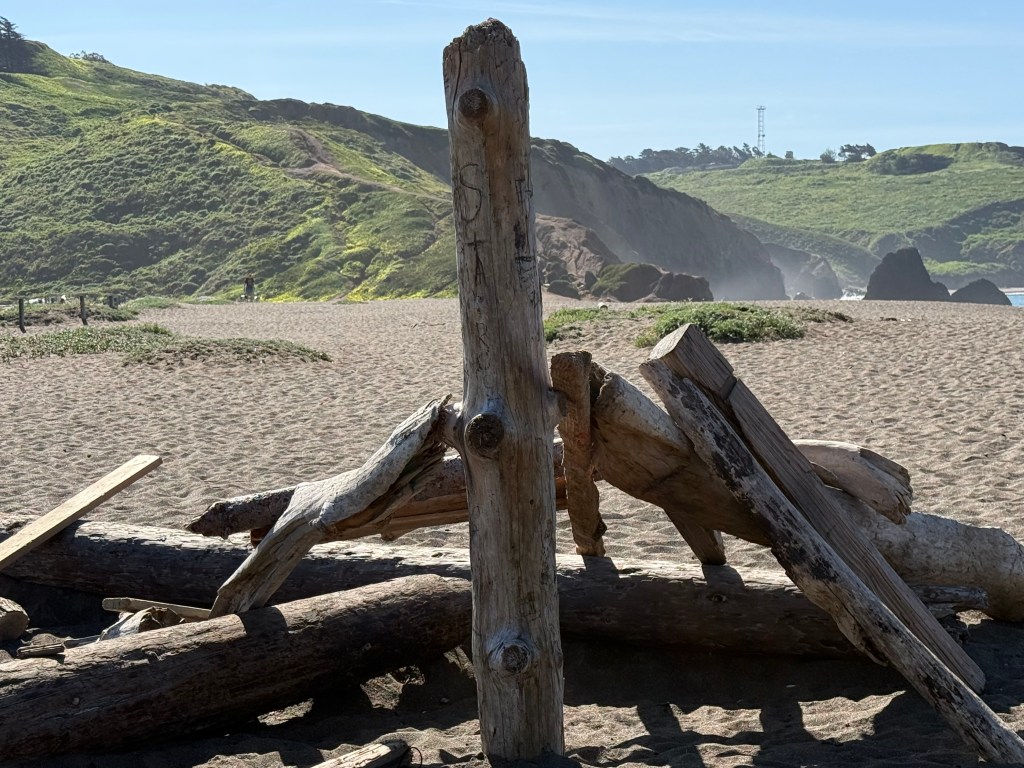
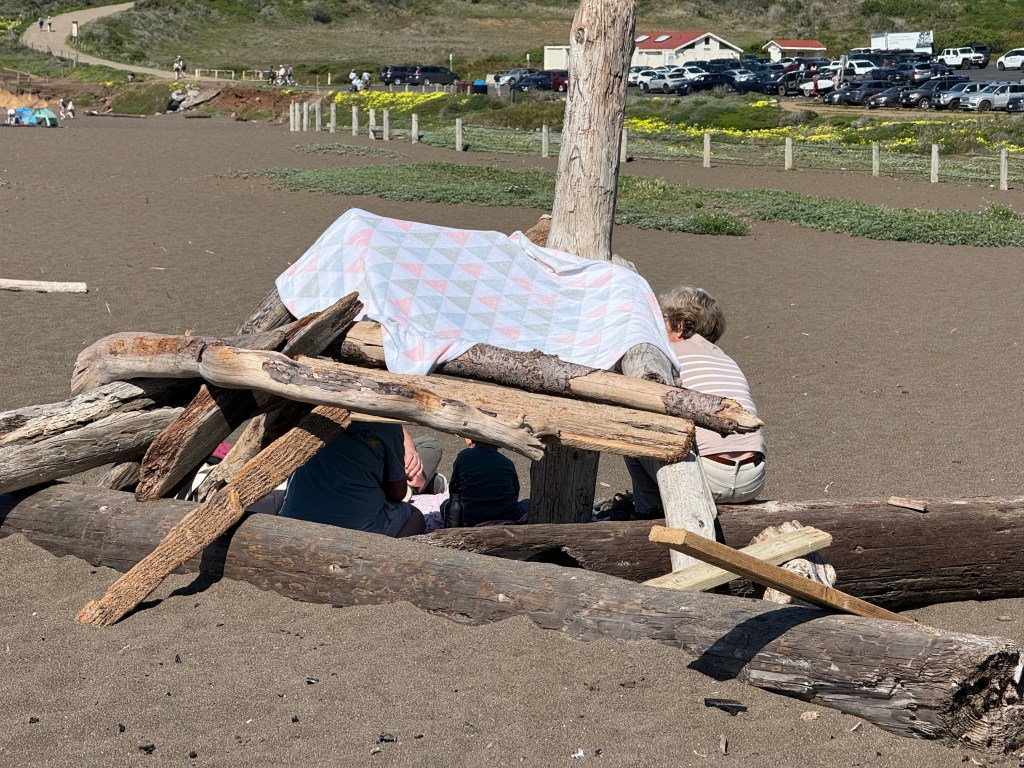
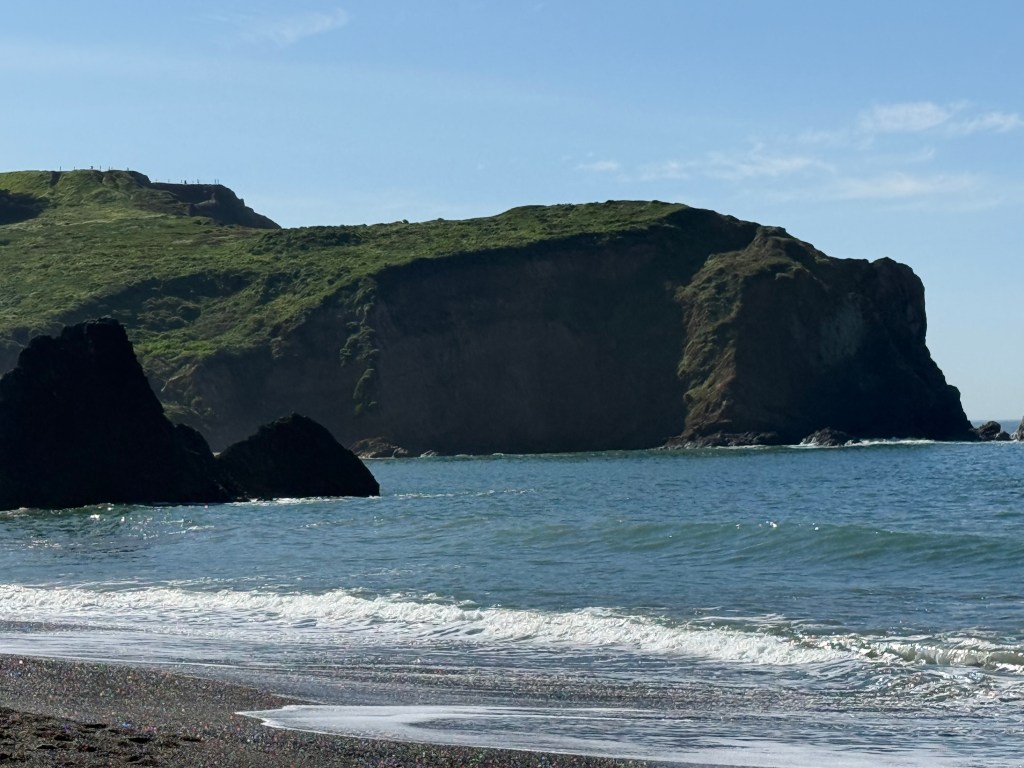
I meditate to the sound of birds chirping and feel how the vibrations of their sounds invite the leaves of spring to come. My insides leaf and reach.
We didn’t have internet at our house for three days so I enjoyed going to our local libraries, and seeing how well-used they are. Community. I also had more time for meditation and reading. I see what a habit it is to come to the computer first-thing, and throughout the day, and feel the necessity to know the latest news. This morning as I read what the Trump administration continues to do, I feel like I’m going to vomit, so I’ll post this and return to reading a book I recommend: Can Poetry Save the Earth, A Field Guide to Nature Poems by John Felstiner.
What a contrast to the Trump administration dismantling environmental protections and reveling in the billion he got to do so.
From Felstiner’s book:
Motion and stillness, a changing constancy. “The early American painter Thomas Cole saw in waterfalls a “beautiful but apparently incongruous idea, of fixedness and motion – a single existence in which we perceive unceasing change and everlasting duration.” A poem, like a painting catches life for the ear or eye, stills what’s ongoing in human and nonhuman nature.
Richard Wilbur writes of windblown bedsheets on a clothesline, “moving / And staying like white water”.
Of course, for many, this may be an image from the past and so we unite in the stillness of memory as it waves in us like bedsheets on a line.
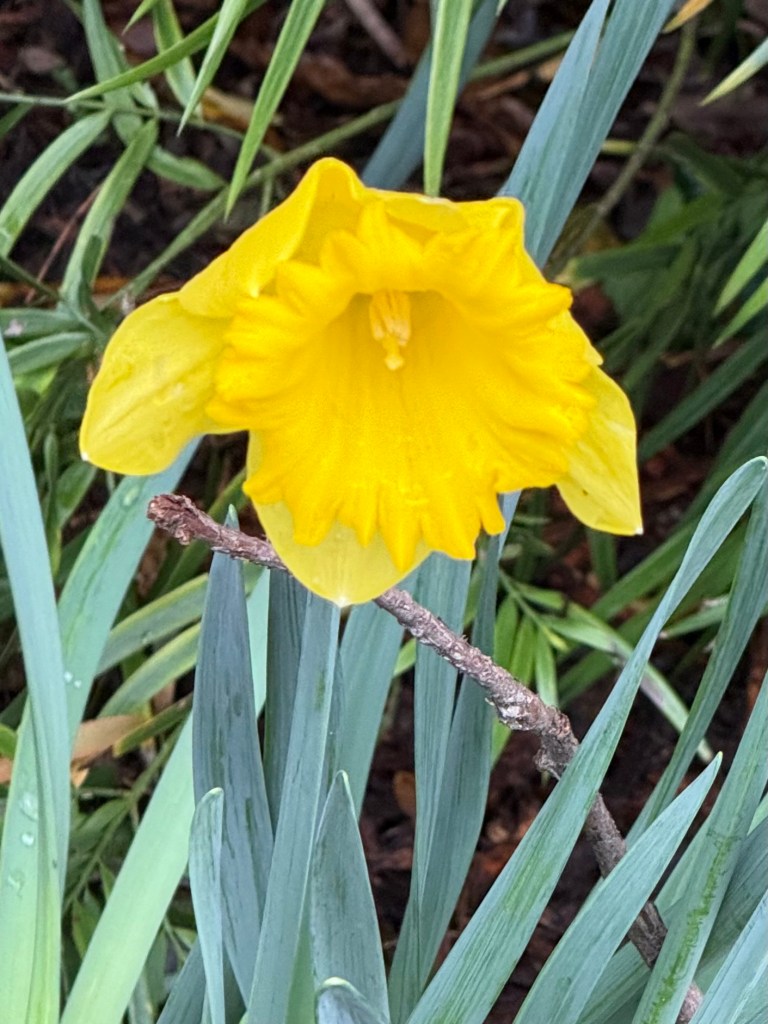
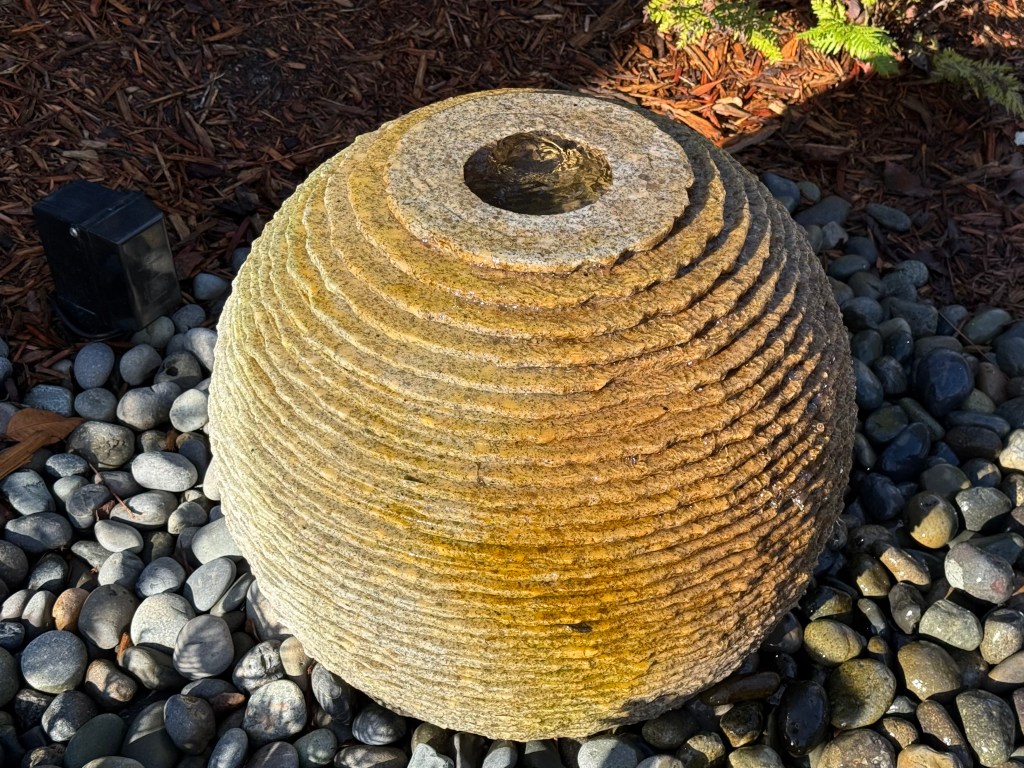
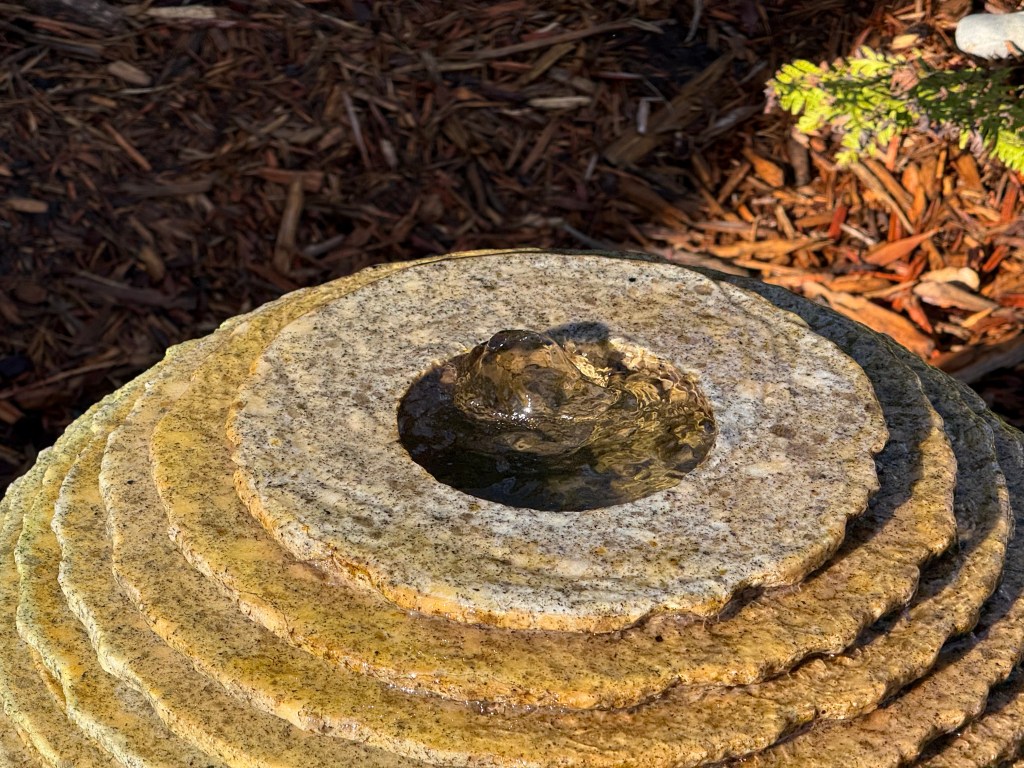
This is the last stanza of William Stafford’s poem “Grace Abounding”.
I’m saved in this big world by unforeseen
friends, or times when only a glance
from a passenger beside me, or just the tired
branch of a willow inclining toward earth,
may teach me how to join earth and sky.
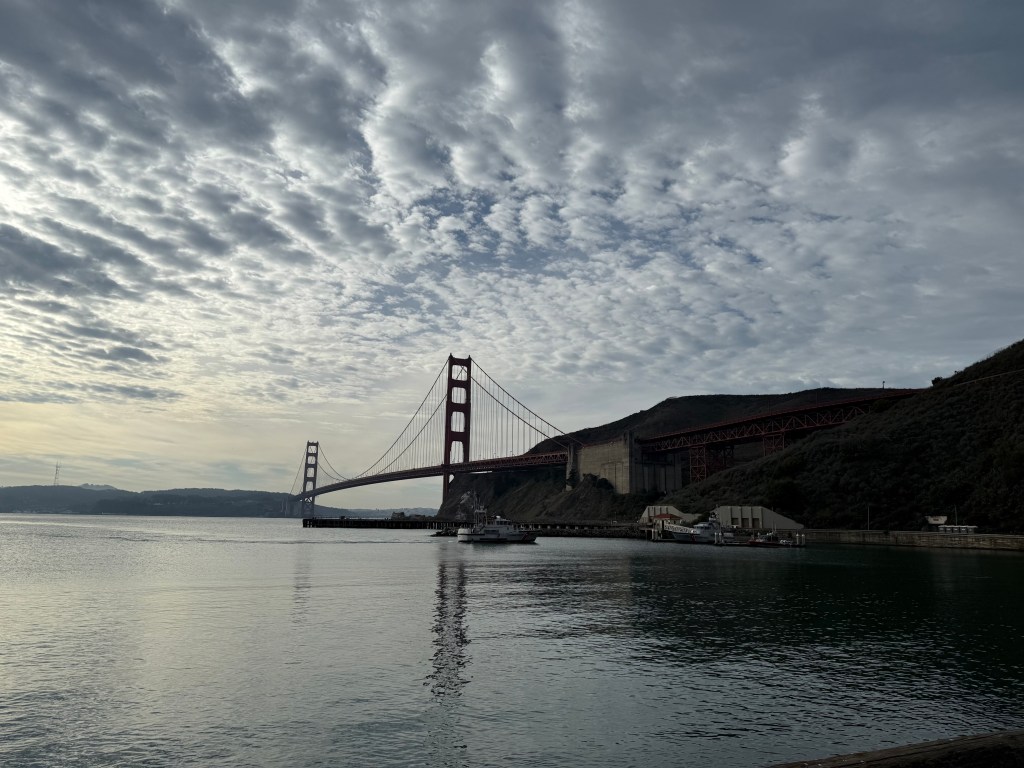
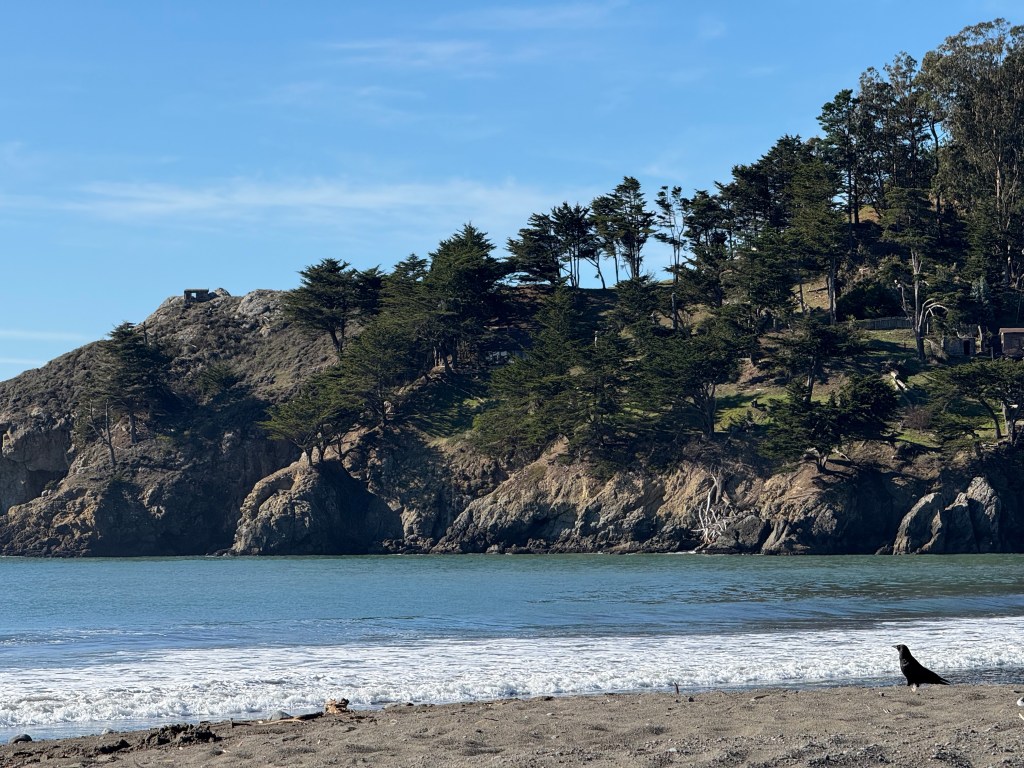
Our six year old grandson has been here visiting, so we’ve enjoyed a grand old time, including fatigue, as some of us are older and more energetic than others. Tuesday was a perfect beach day. A friend asks if my grandson still believes in Santa. It seems so. He knows the Santas at the shopping centers are fake, but he seems to believe that Mr. and Mrs. Santa are up at the North Pole orchestrating the making of toys with the elves. Well, I believe it is so, so maybe that’s why. If you haven’t read, “Yes, Virginia, there is a Santa Claus”, you must read it. Santa is as real as love, and truth, and giving, and gifts.
Also, my grandson and I love the book, the Letters from Father Christmas by J.R.R. Tolkien. Tolkien didn’t always have the money for gifts, but he had the gift of intellect and wit, and so letters were written explaining each year why the gifts were destroyed by the North Polar Bear, a most wonderful affectionate, and generous, though clumsy guy, and so, perhaps, for some, no gifts that year but a wonderful letter of explanation. Check out the Tolkien book of Father Christmas Letters on Amazon, or maybe in your local independent bookstore. I had to go to England to get my copy but that was many years ago. Now, it’s more readily available.
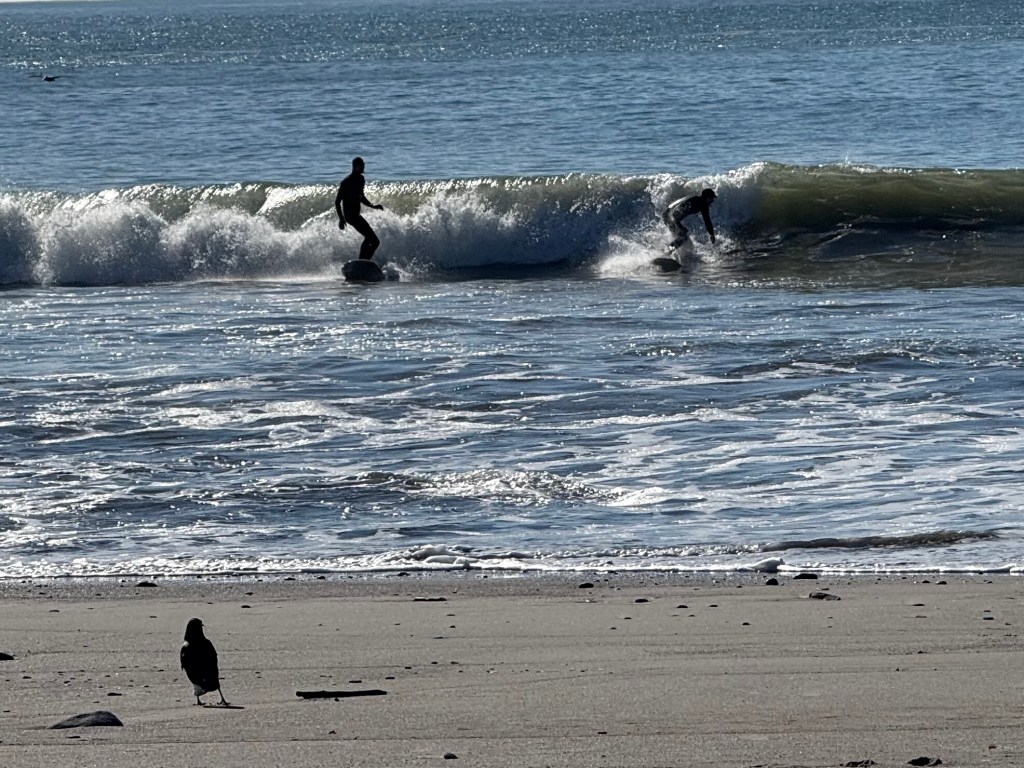
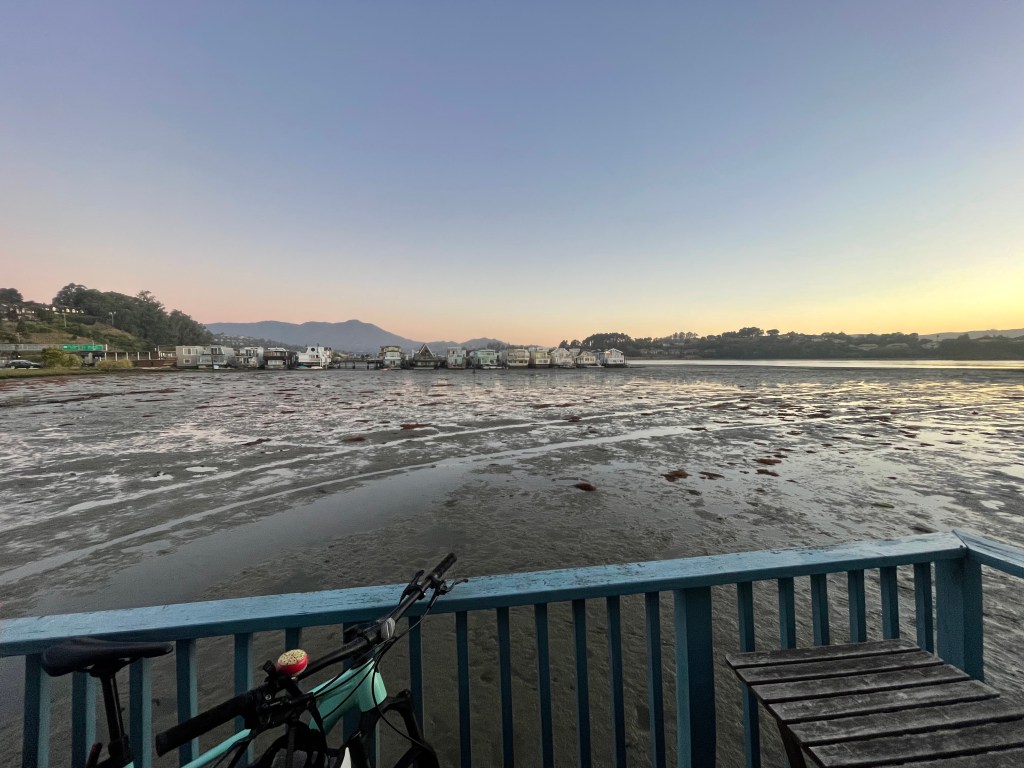
We are with the King Tides that accompany the December full moon. Grandson was enchanted with water over the path in Sausalito, and the designs in the water as he sat and observed the ever-changing gifts.

I read about Ken Burn’s offering on the American Revolution, a look at the complexity that led to the formation of the United States. Part of the motivation was a want and desire to expand beyond the Appalachians. I’m reading The Gift of Rain by Tan Twan Eng. The book begins in 1939, in Penang, and looks at the circumstances that led to WWII in Asia, so focuses on Malaysia, China, and Japan.
We teach children simplicity, good and bad, and that’s necessary at first, like teaching how to get along in society, but then, we mature and learn the complexity of relationship, complexity in ourselves. We learn to navigate, move, and integrate the pieces we are.
Right now, the United States is divided by those who gain personally in division. We need to expose our shadow, to look openly at our history and in exposing, embrace a history that is complex. Hiding or denying doesn’t help us now.
In looking at the whole more clearly, we further honor the planet we share.
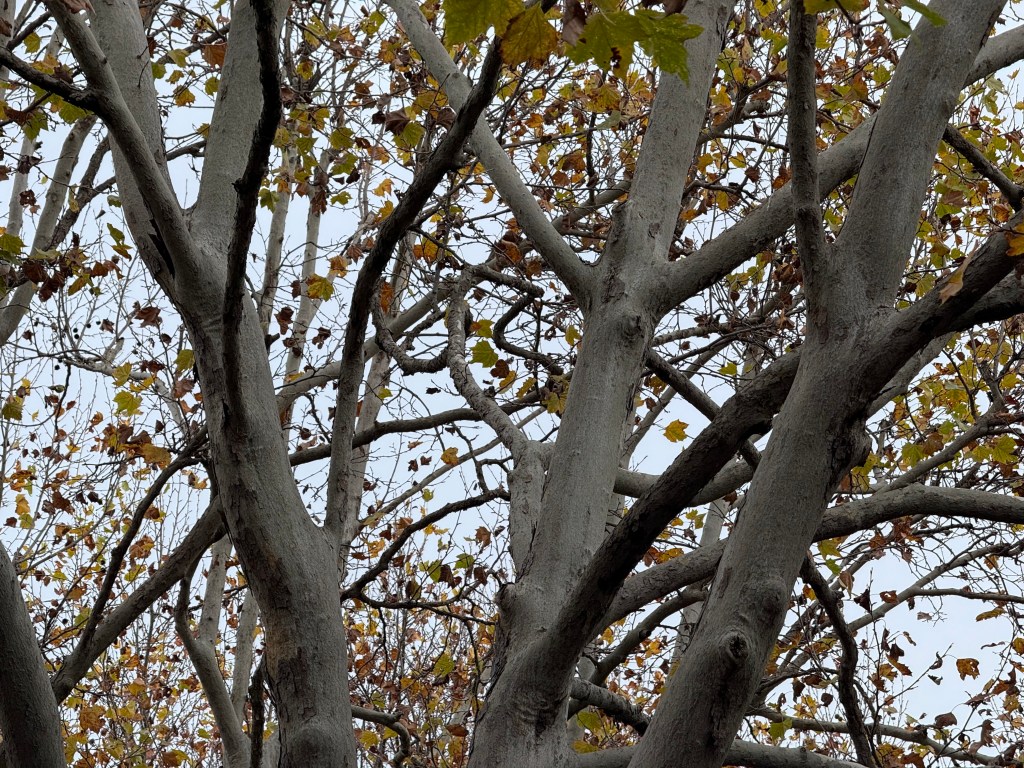

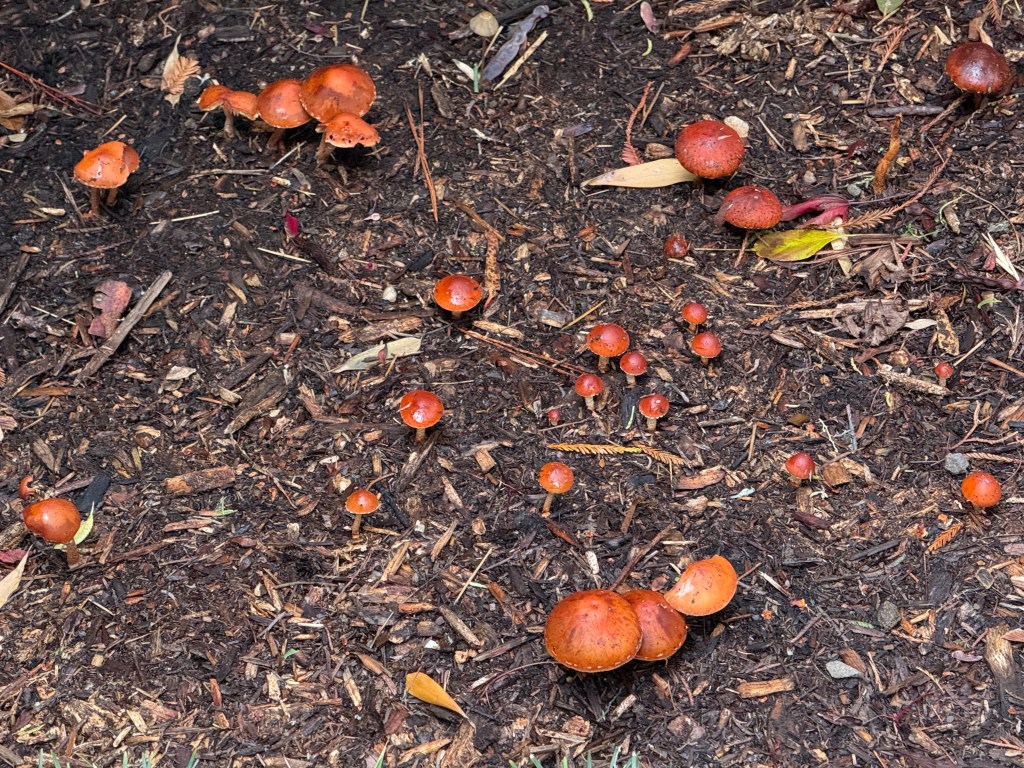
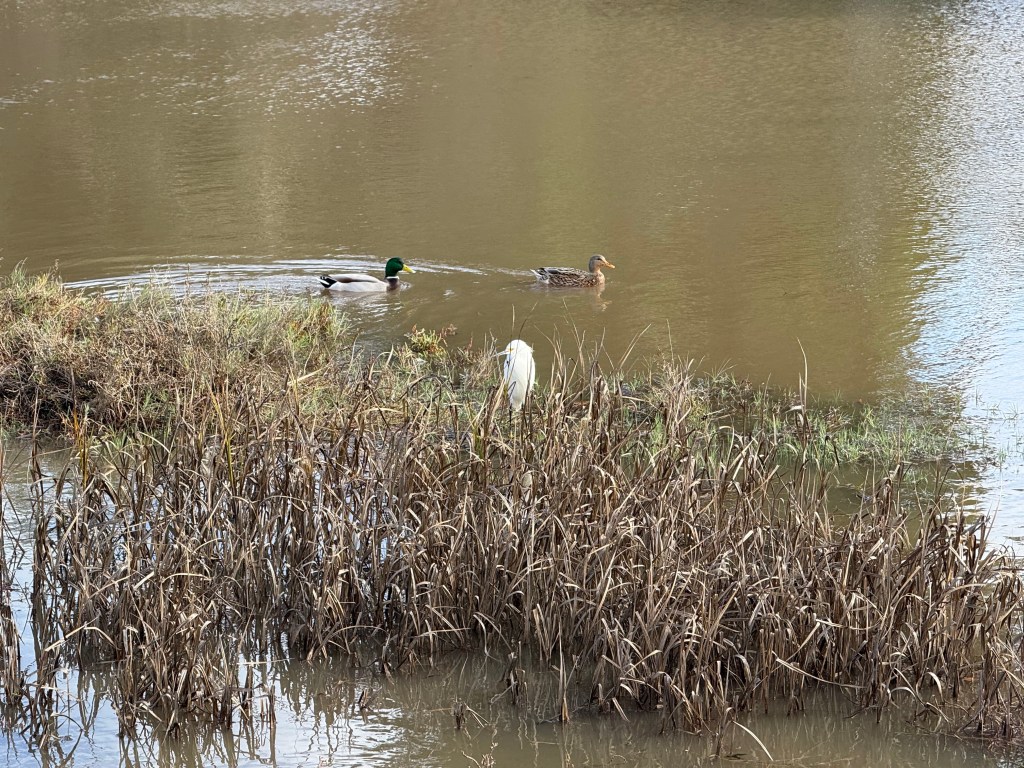
Today with the release of the oddly named “daylight savings time”, we return to nature’s time as leaves fall and we walk through their crunch to understand we, too, fall apart, rest, root, and in connection, rise again.
Ralph Waldo Emerson: The invariable mark of wisdom is to see the miraculous in the common.
The change in light allows us to notice and in and with subtlety to refine and define the layers we share.
Madeleine L’Engle: “The child at play, the painter at his easel, Serkin playing the Appassionata are in kairos. The saint in prayer, friends around the dinner table, the mother reaching out her arms for her newborn baby are in kairos.”
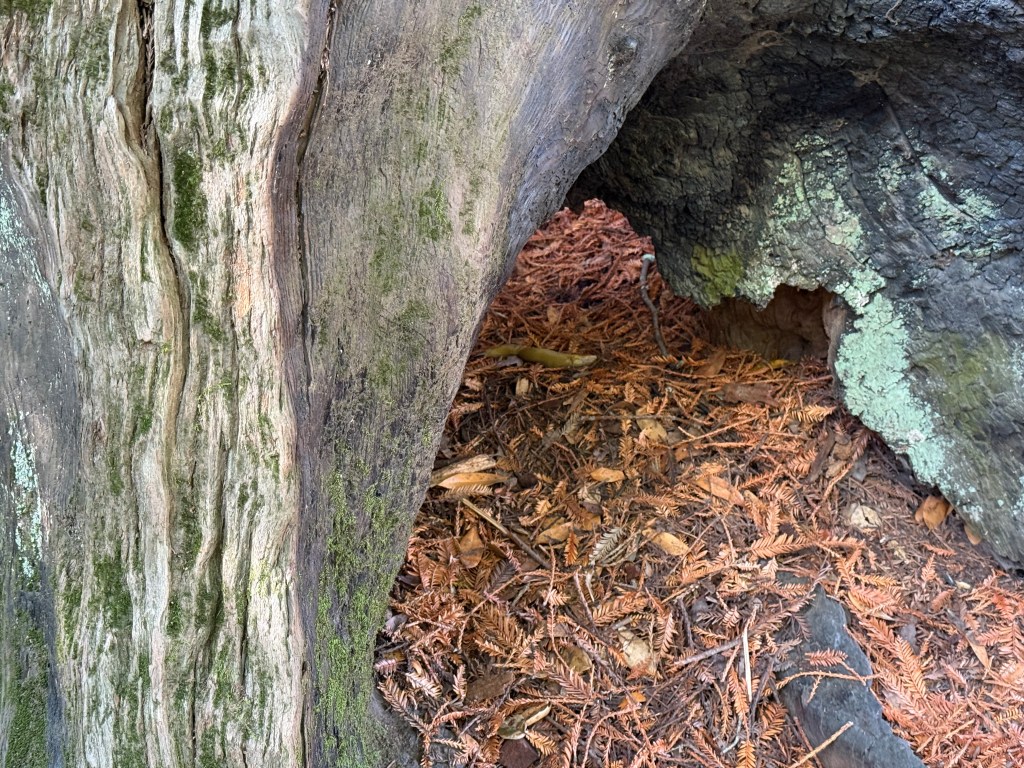
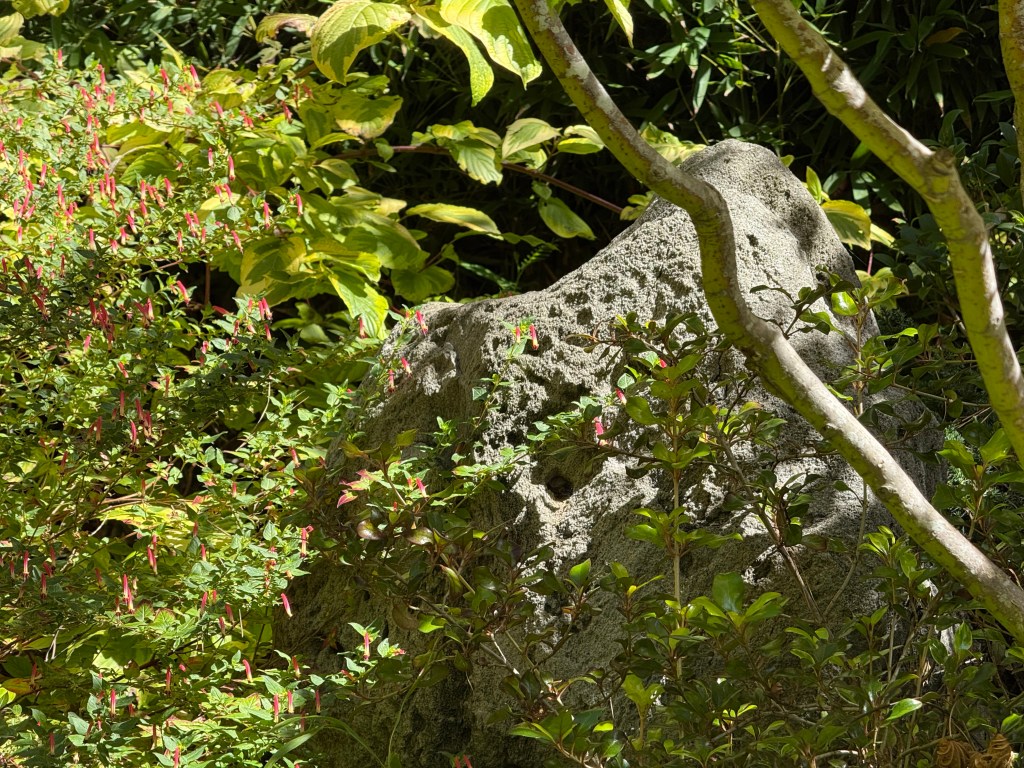
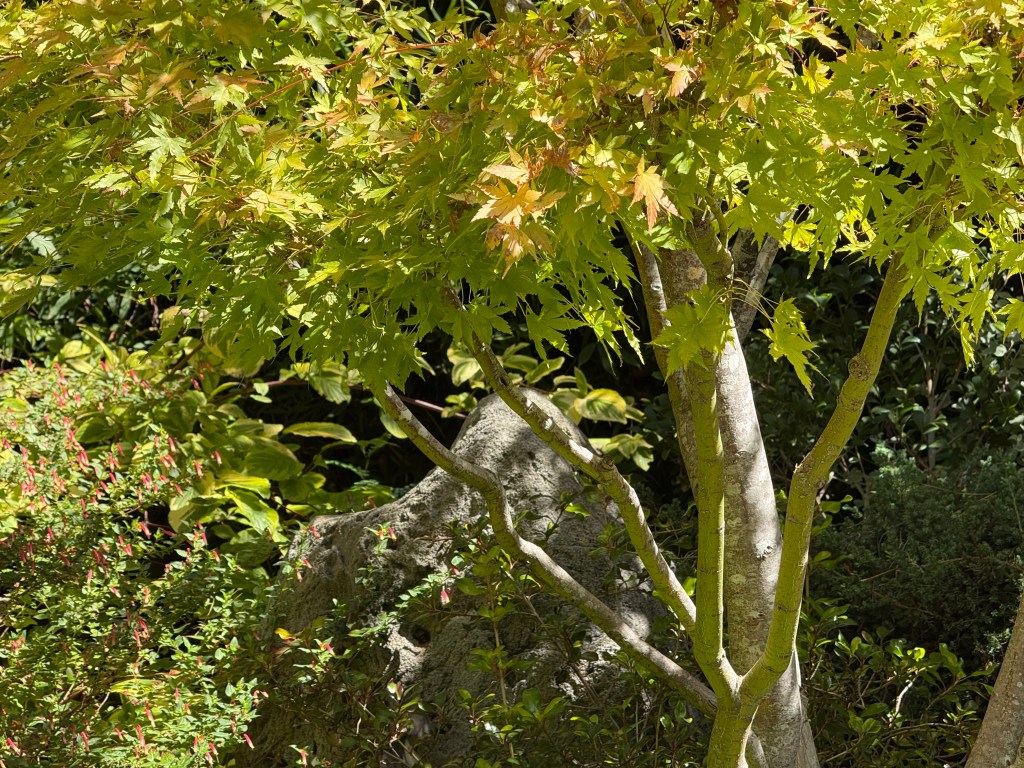
It’s a liminal time, a time when the veil is thin and as Richard Rohr writes: “we are invited to be aware of deep time – that is, past, present, and future gathering into one especially holy moment.” We honor our ancestors, all of our ancestors, and their presence within us.
Today as I sat with day coming to light I was filled with Rainer Maria Rilke’s words:
Ah, not to be cut off,
not through the slightest partition
shut out from the law of the stars.
The inner – what is it?
if not the intensified sky,
hurled through with birds and deep
with the winds of homecoming.
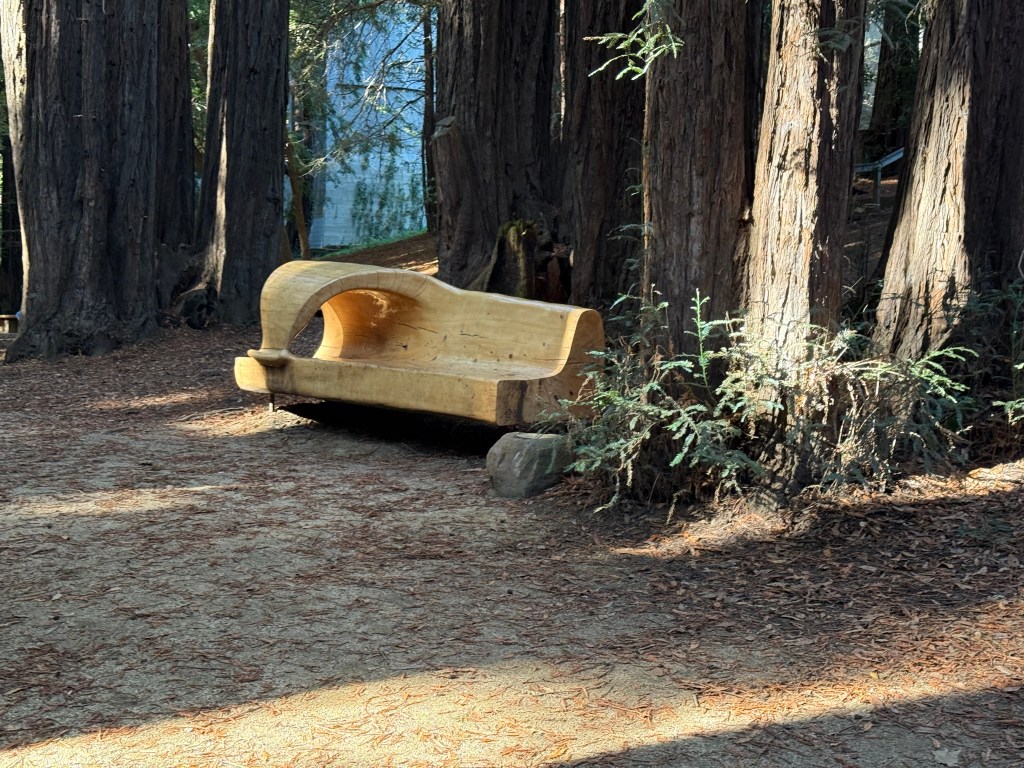
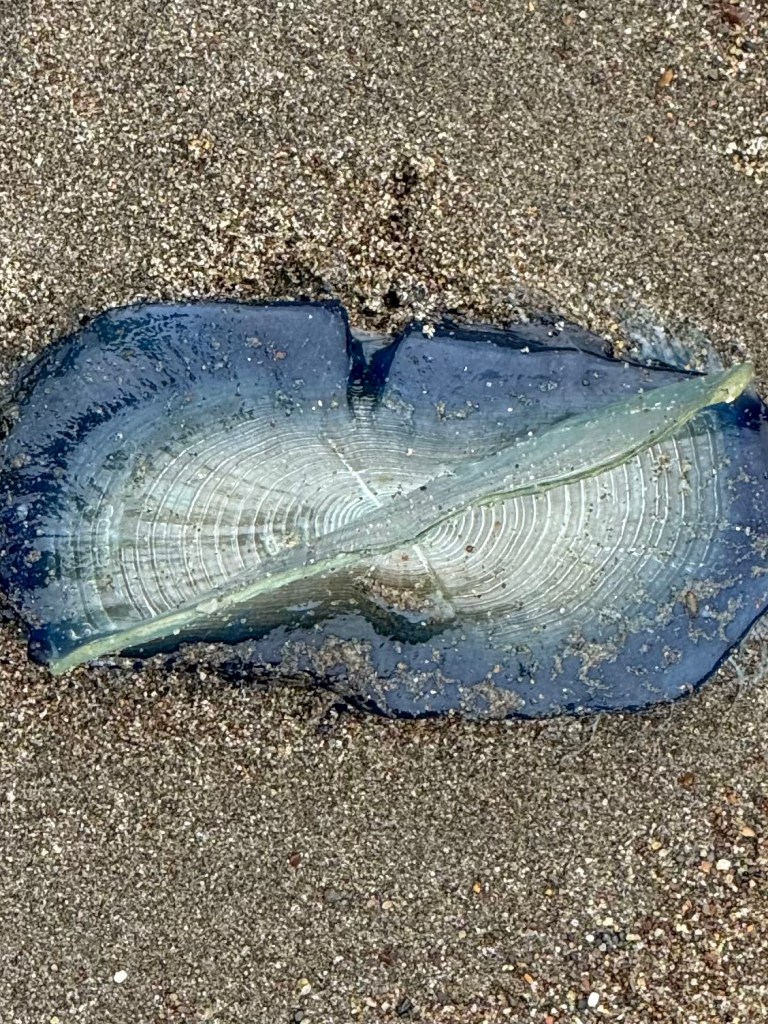
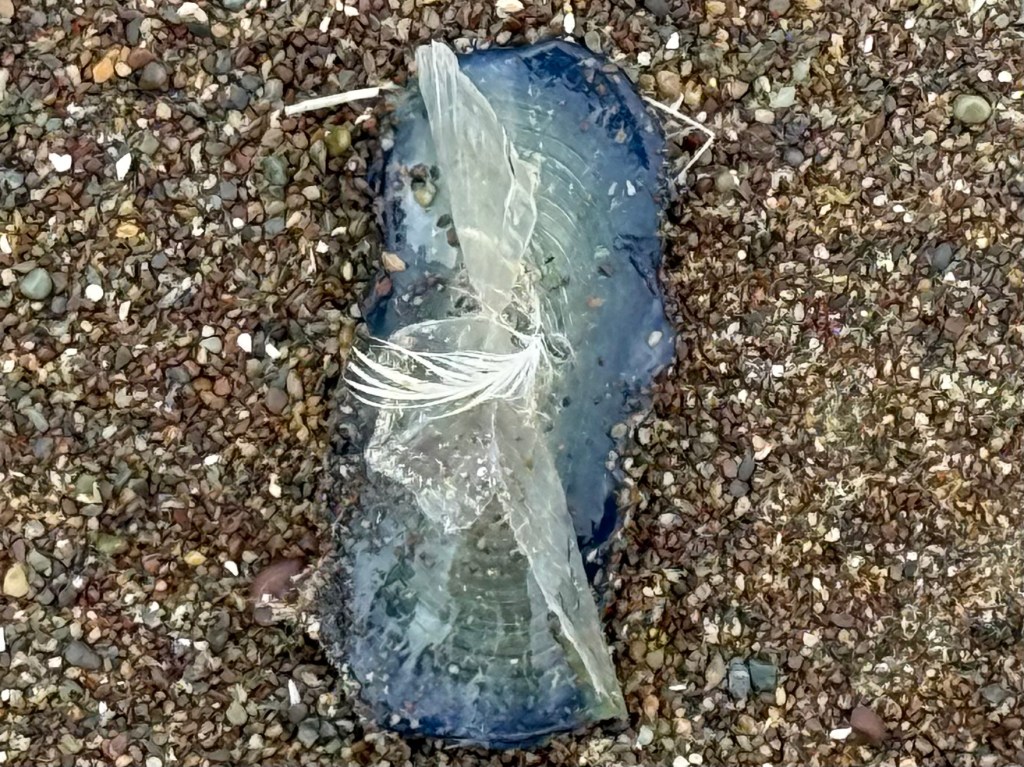
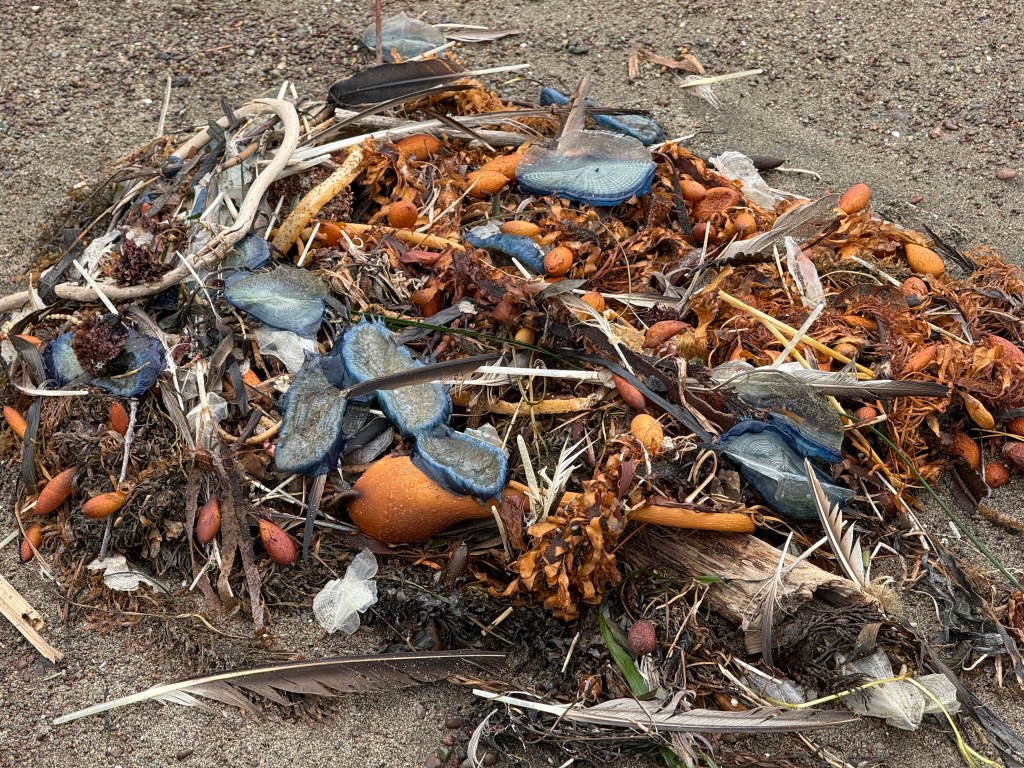
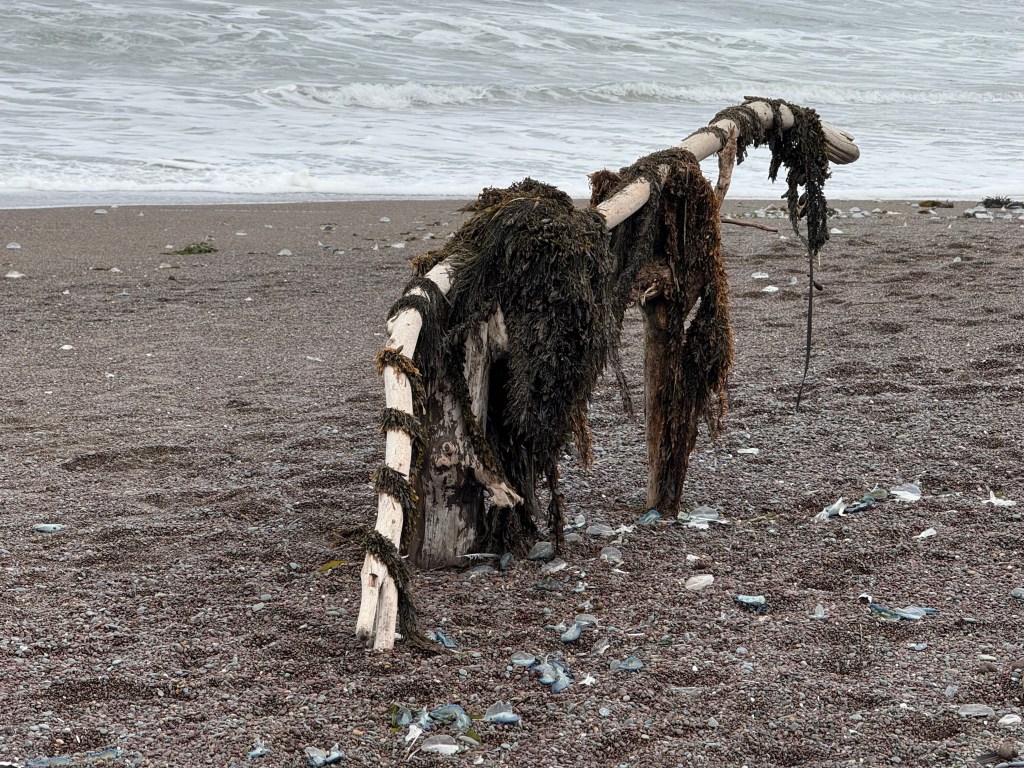
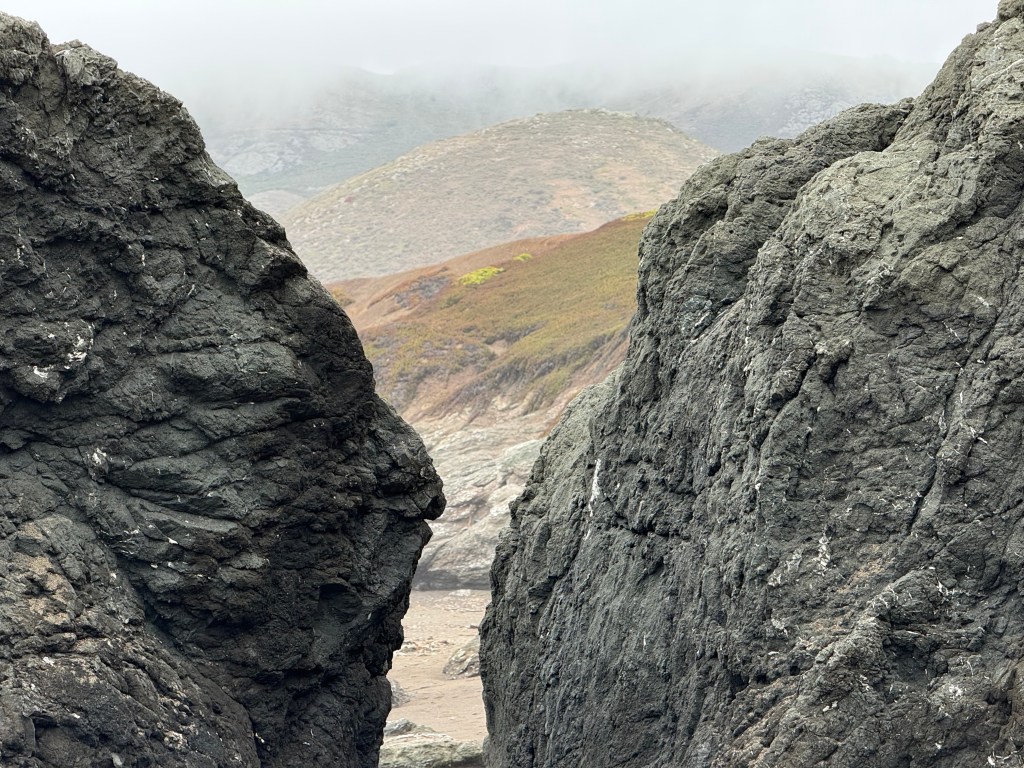
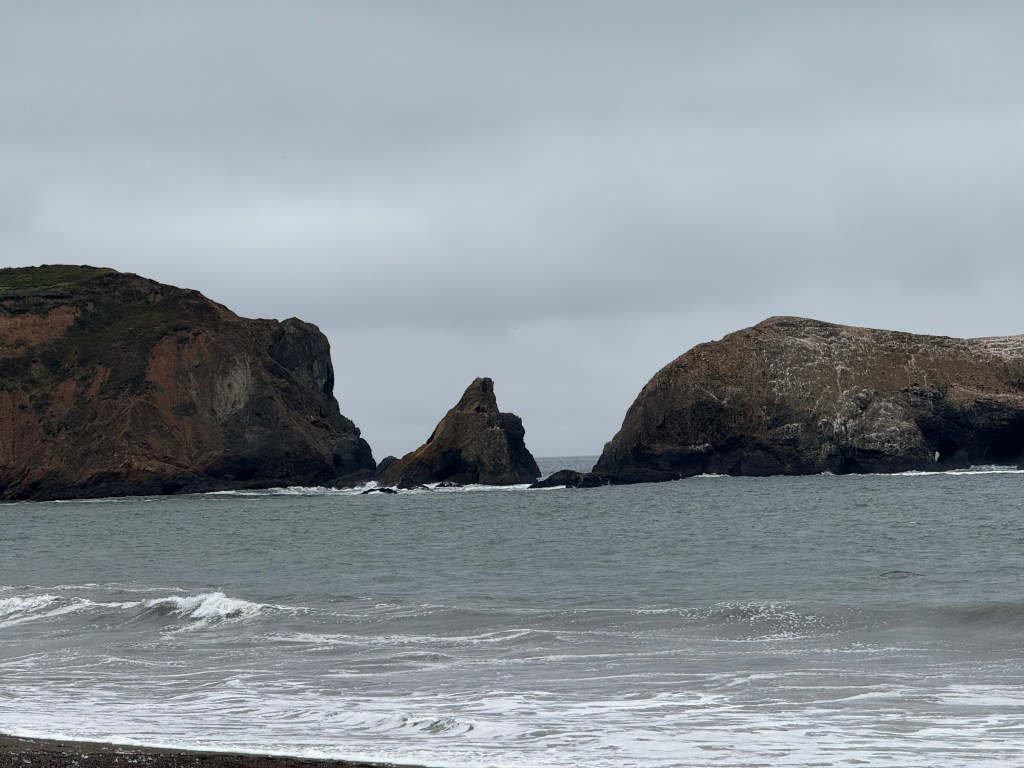
I was at Rodeo Beach today. The fog was in and the beach was covered with Vellella vellella, a result of the recent full moon tides.
I hadn’t realized each apparent individual is a hydroid colony, composed of tiny, anemone-like creatures. Related to jellyfish, they are carnivorous, and catch their prey, mainly plankton, with tentacles dangling in the water.
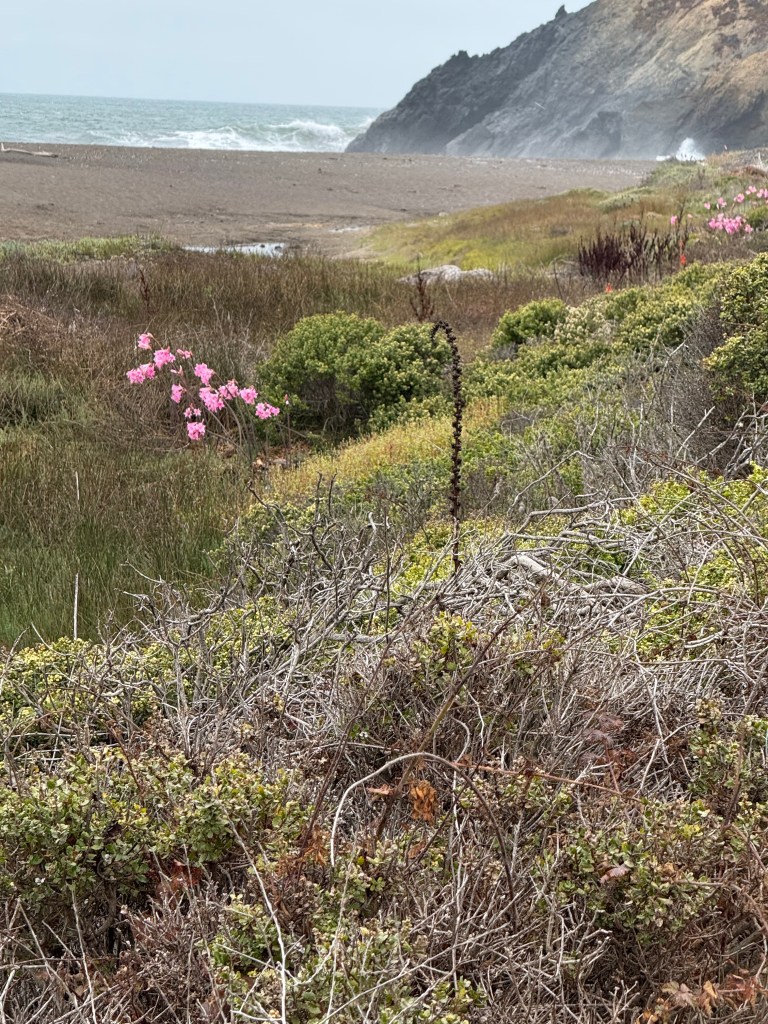
I finished the book My Head for a Tree: The Extraordinary Story of the Bishnoi, Guardians of Nature by Martin Goodman. These guardians show us how to live when we honor and value interconnectivity, oneness, wholeness, and this world we share.
I spiral on the words on my Flying Edna Desktop Calendar. “I do not go to the forest to be alone. I go to be with the ones who speak without human words.”
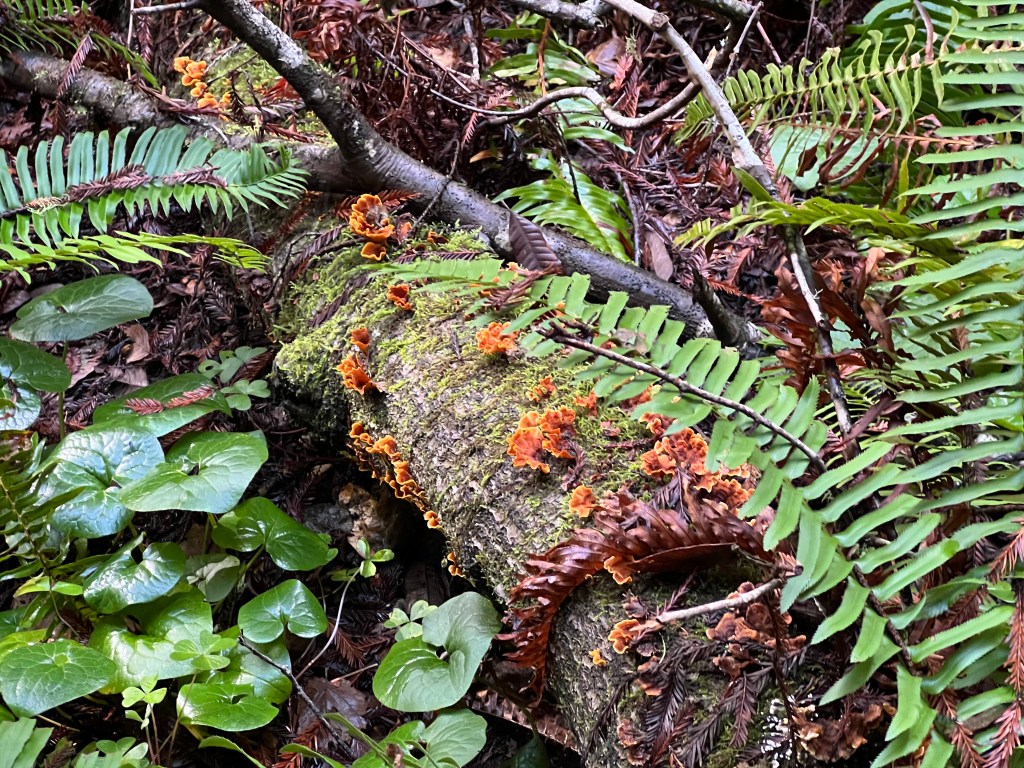
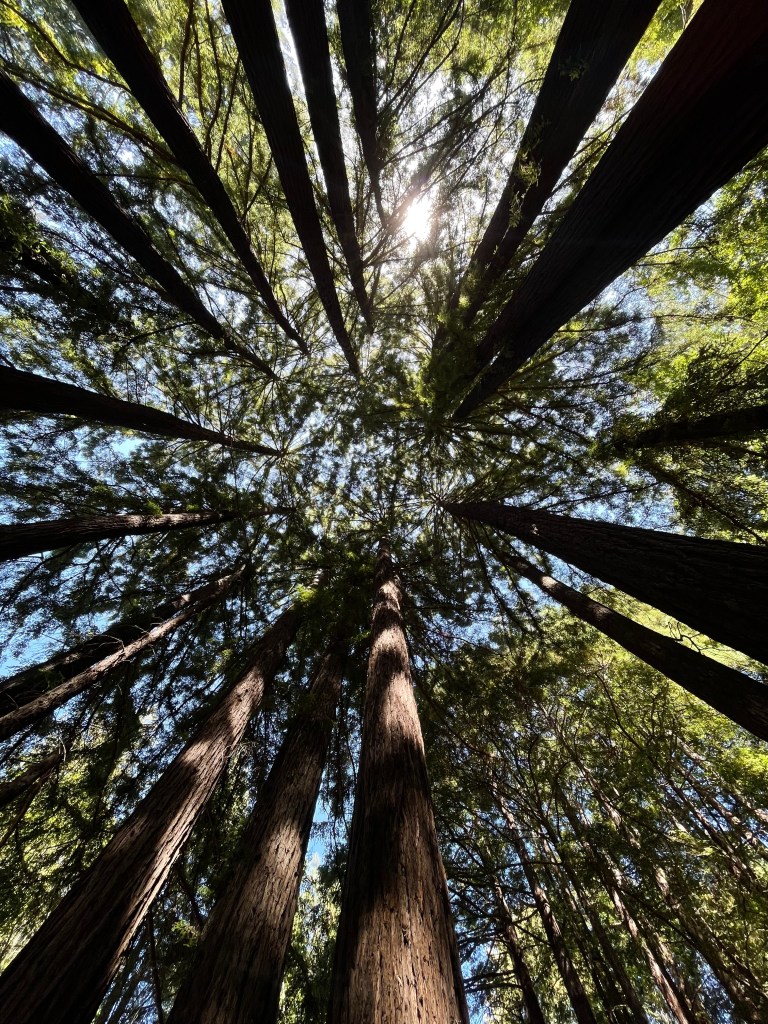
As we’re inundated with stories of political horror, it’s important and essential to be with the beings who give us oxygen, and share our roots and nourish our soil and soul.
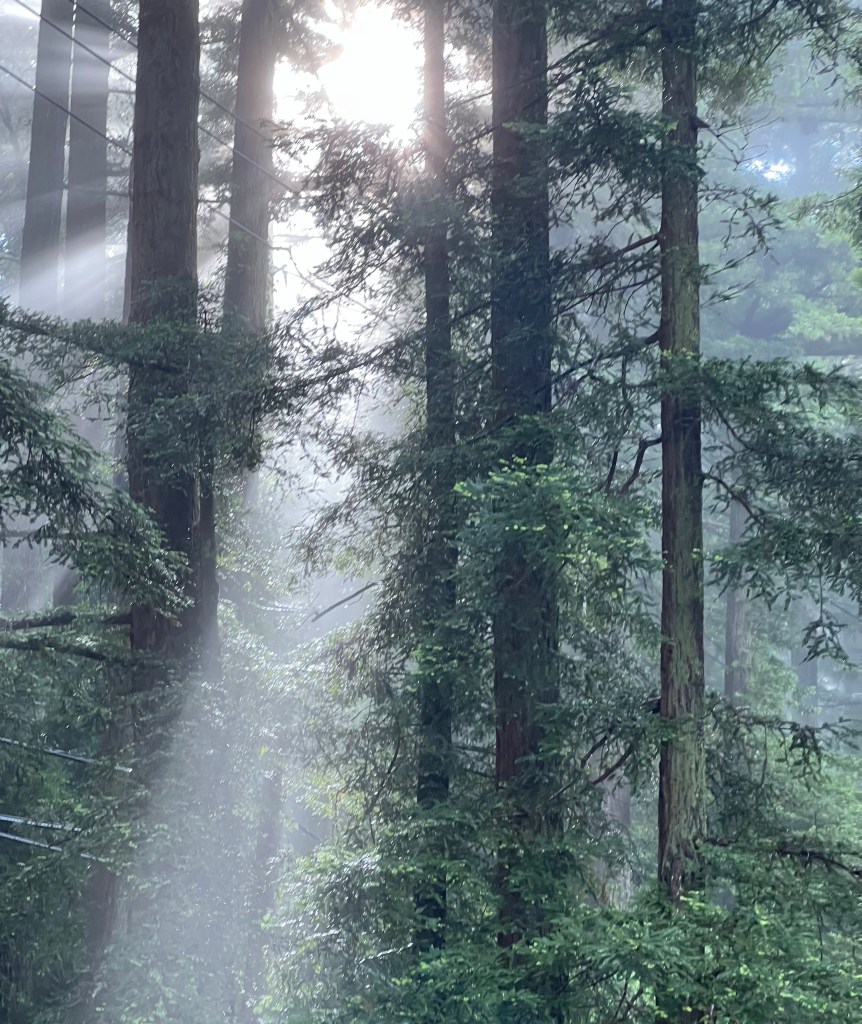
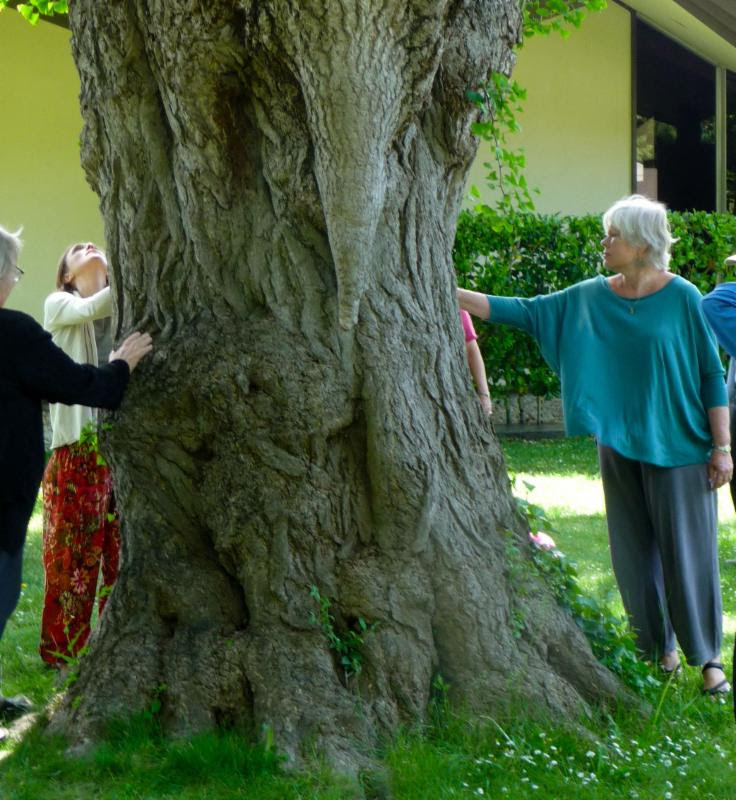
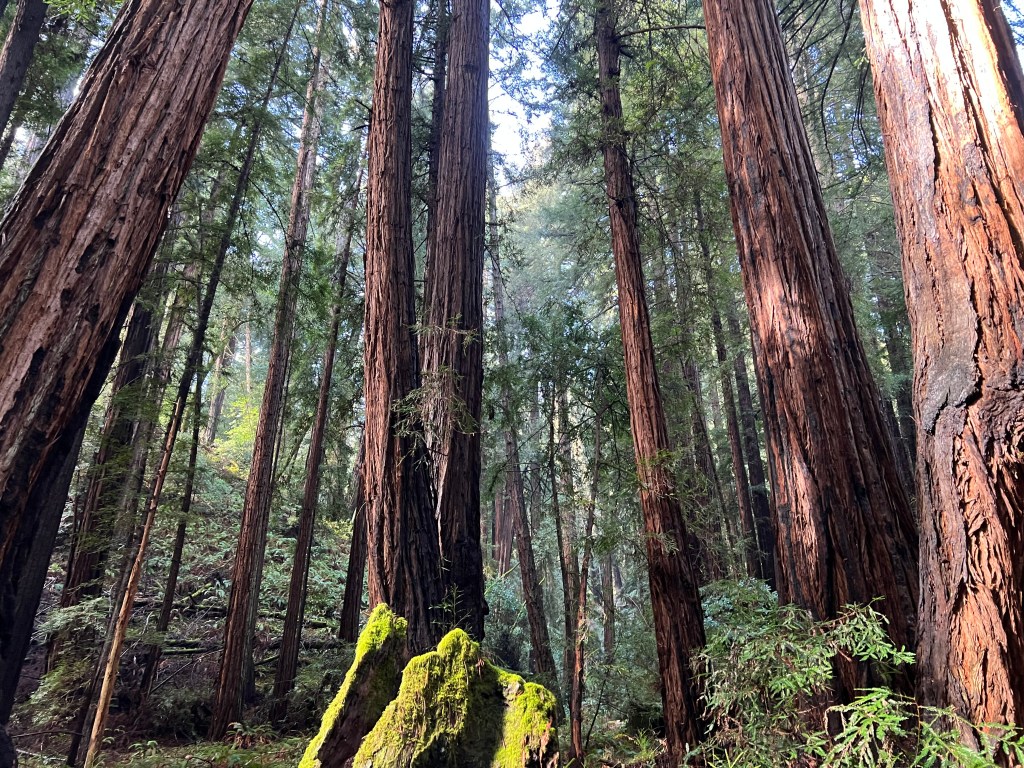
Today I read the news and then I balanced it with the poem “Thanks” by W.S. Merwin. You can read the poem here:
https://www.poetryfoundation.org/poems/57937/thanks
He ends with:
we are saying thank you
thank you we are saying and waving
dark though it is

 Cathy's Blog!