There’s an old saying: Sticks and stones may break my bones but words will never hurt me. I disagree. I believe words can hurt, and they can connect, comfort, and heal.
In George Saunders’ book A Swim in a Pond in the Rain, he comments on Leo Tolstoy’s short story, Master and Man. He writes that “Tolstoy is proposing something radical: moral transformation, when it happens not through the total remaking of the sinner or the replacement of his habitual energy with some pure new energy but by a redirection of his (same old) energy.”
Saunders says we don’t have to “become an entirely new person to do better; our view just has to be readjusted, our natural energy turned in the right direction”.
For example, if you are a world-class worrier, your worry energy might get directed at extreme personal hygiene, you’re “neurotic”. If it gets directed at climate change, you’re an “intense visionary activist”.
In the book, as a man is dying, he comes to realize “oneness”. The question becomes if he had lived after the realization, would he have returned to the series of lies that he told himself, lies that motivated him to go forth and prove he was better, best, “central”, “separate”, and “correct”.
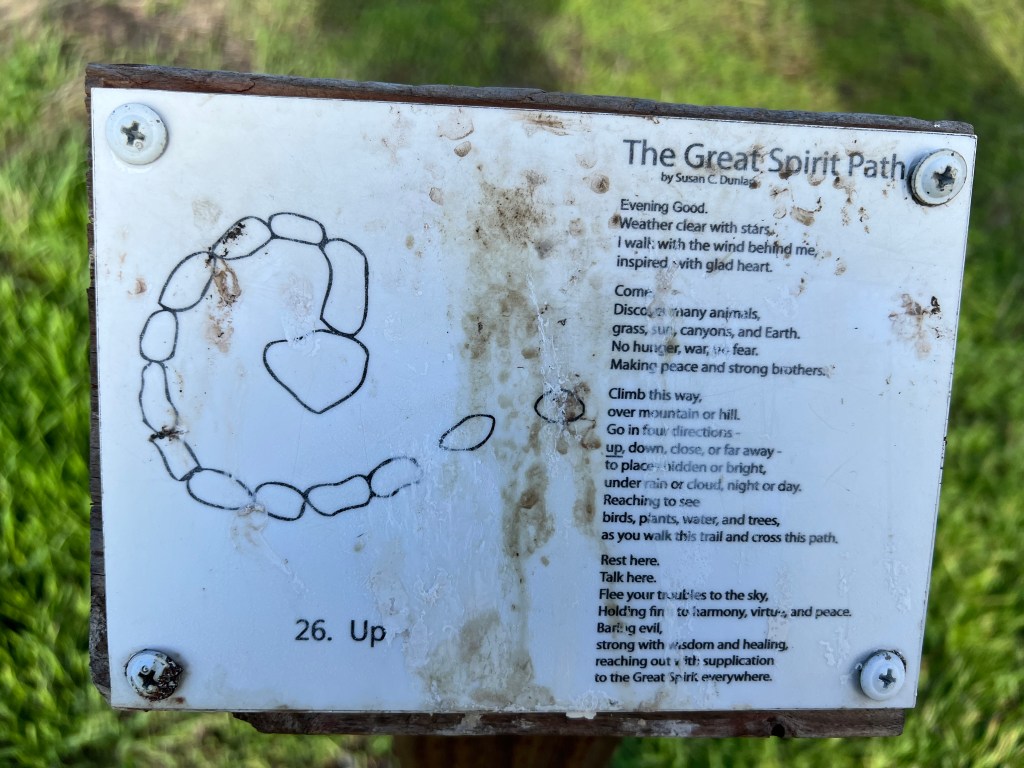
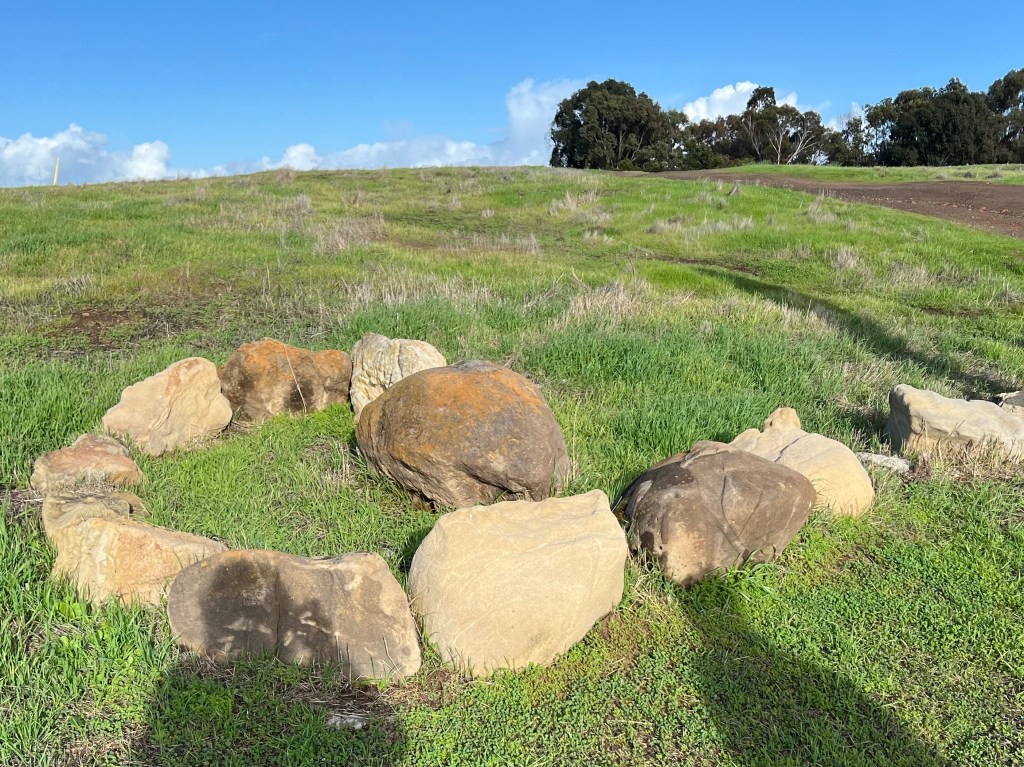
On Christmas Eve, the family went to Bedwell Bayfront Park in Menlo Park. As we climbed up the hill to savor the views, we found we were on a poetry trail. Called the Great Spirit Path, the trail is a single poem broken down into 53 verses spread throughout the park. Each verse is represented by a large stone sculpture inspired by Native American pictographic art.
This “Stonehenge by the Bay” is a stone poem in four stanzas designed by Menlo Park artist Susan Dunlap and installed along a ¾ mile long trail. Each of the 53 rock sculptures represents a phrase in the poem. It is made of 892 rough natural stones weighing more than 505 tons.
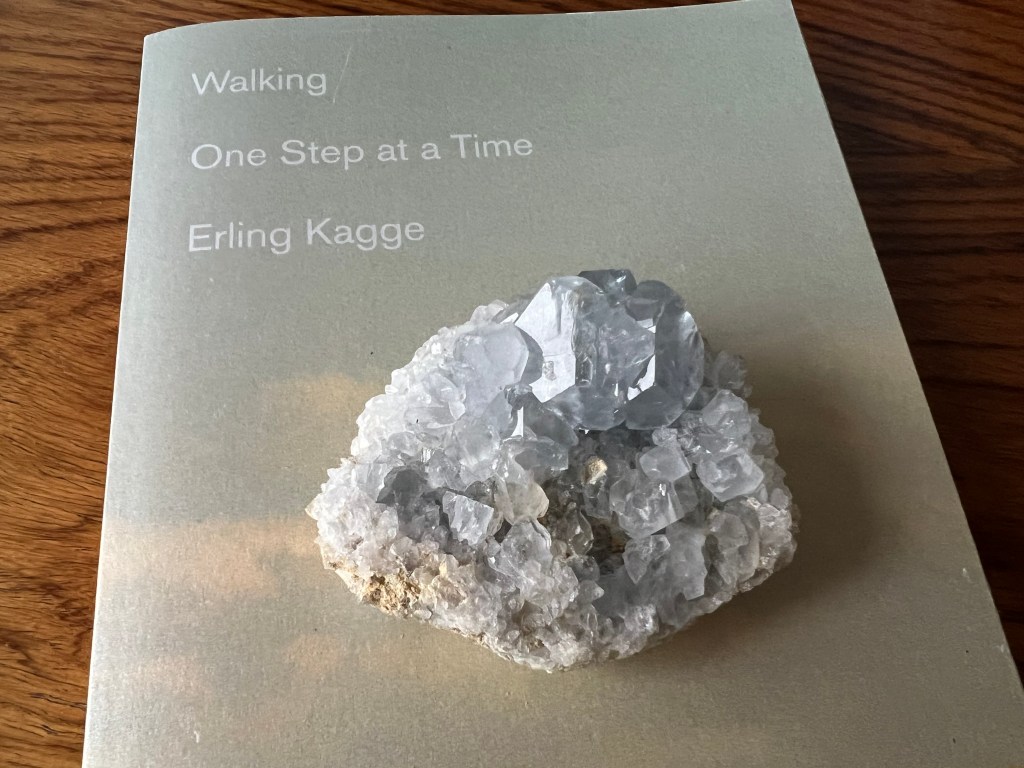
As we enter this new year, we can choose where to focus, expand, and integrate. We can caress and reflect the bones of the earth, the bones in ourselves, and the words that bind and heal.
 Cathy's Blog!